Everything You Need to Know About USB Ports and Speeds (2025)
…
Everything You Need to Know About USB Ports and Speeds (2025)
As technology continues to advance, USB ports have become an essential part of our daily lives. From charging our devices to transferring data, USB ports play a crucial role in how we interact with our devices.
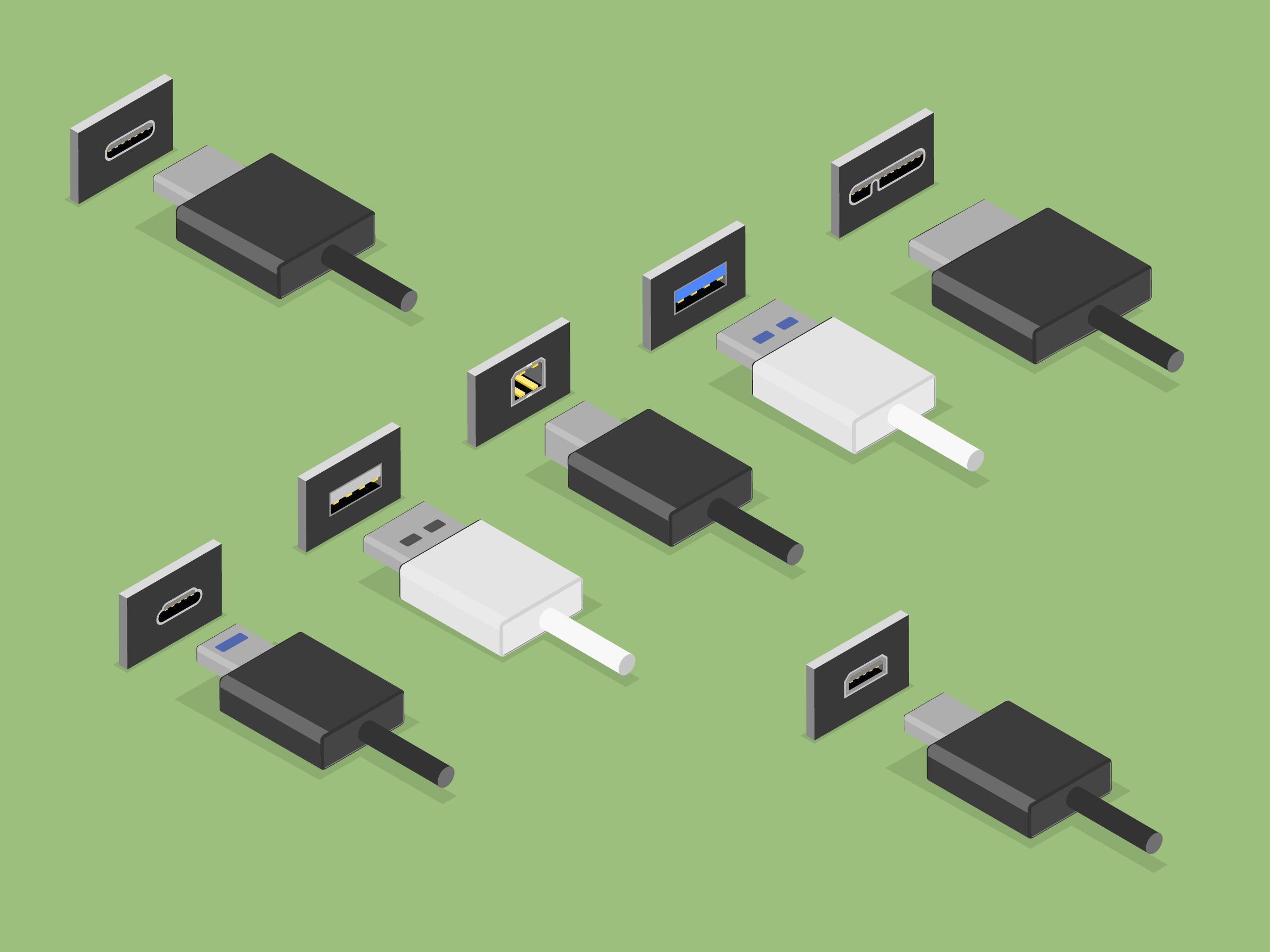
USB (Universal Serial Bus) ports come in various shapes and sizes, each designed for specific purposes. The most common types of USB ports are USB-A, USB-B, and USB-C. USB-A ports are the traditional rectangular ports found on most devices, while USB-B ports are more square-shaped and often used for printers and external hard drives. USB-C ports are the latest addition to the USB family, offering faster data transfer speeds and the ability to charge devices more quickly.
When it comes to USB speeds, there are several factors to consider. The most important factor is the version of USB being used. USB 2.0, which is the most common version found on older devices, has a maximum speed of 480 Mbps. USB 3.0, also known as USB 3.1 Gen 1, can reach speeds of up to 5 Gbps. The latest version, USB 3.1 Gen 2, boasts speeds of up to 10 Gbps, making it ideal for transferring large files quickly.
Another factor to consider when looking at USB speeds is whether the device and cable being used support the same USB version. For example, using a USB 3.1 Gen 2 cable with a USB 2.0 device will not result in faster speeds. It’s important to ensure that both the device and cable are compatible with the same USB version to maximize speed and efficiency.
USB ports and speeds are constantly evolving, with new technologies being introduced to improve data transfer speeds and charging capabilities. As we move into the future, it’s important to stay informed about the latest USB advancements to ensure we are getting the most out of our devices.
In conclusion, USB ports and speeds are an essential part of our daily tech interactions. By understanding the different types of USB ports and the speeds they offer, we can make informed decisions when it comes to connecting and charging our devices. Stay up to date with the latest USB technologies to ensure you are getting the best performance out of your devices.