Why US Power Bills Are Surging
Why US Power Bills Are Surging
Power bills in the United States have been steadily increasing over the past few years, leaving many consumers wondering why they are…
Why US Power Bills Are Surging
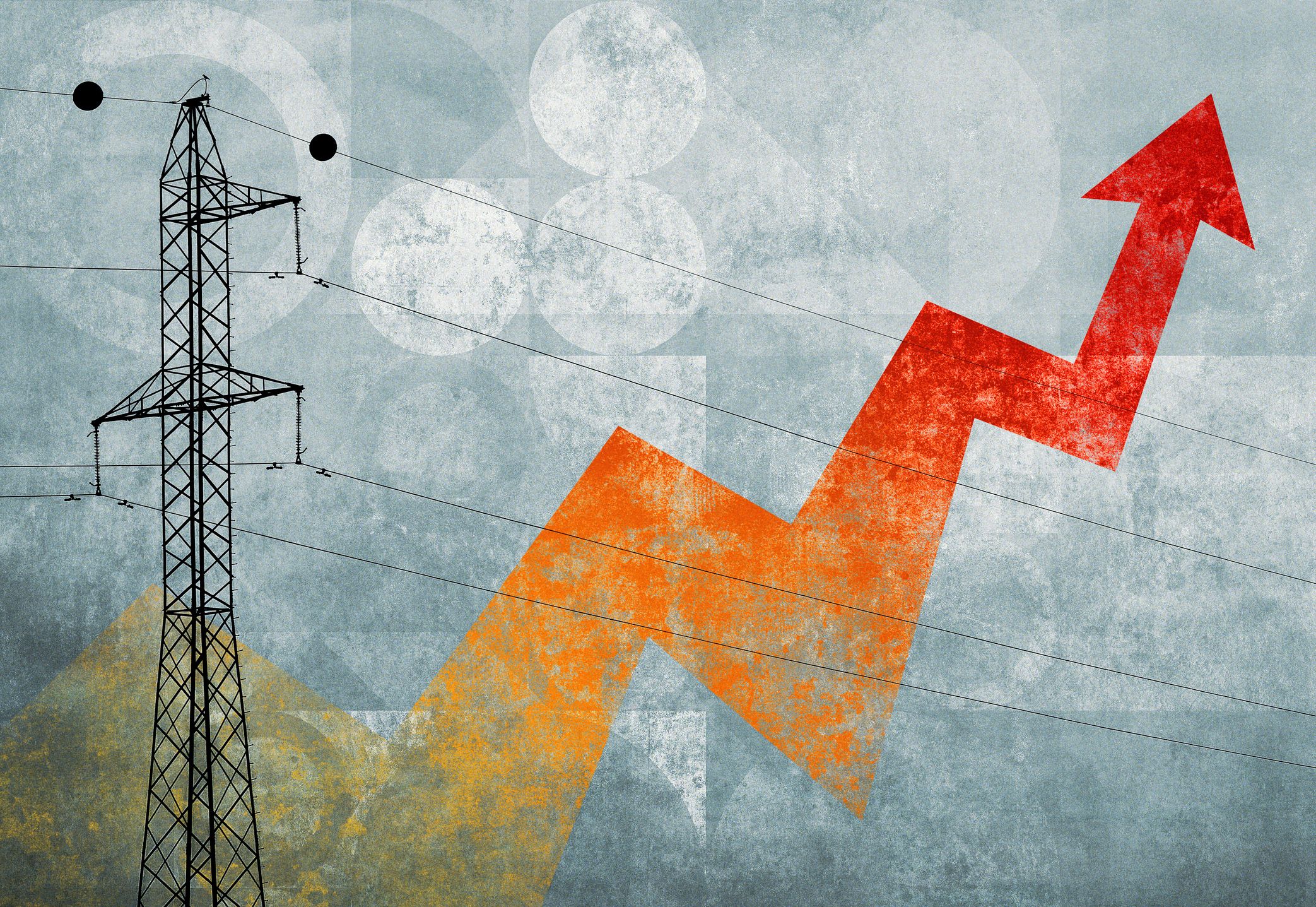
Power bills in the United States have been steadily increasing over the past few years, leaving many consumers wondering why they are paying more for electricity.
One of the main reasons for the surge in power bills is the rising cost of fuel used to generate electricity. With oil and natural gas prices on the rise, power companies are passing on these higher costs to consumers.
Another factor contributing to the increase in power bills is the aging infrastructure of the power grid. Upgrades and maintenance of the grid require significant investment, which ultimately gets passed down to consumers.
The shift towards renewable energy sources, such as wind and solar power, has also played a role in driving up power bills. While renewable energy is more sustainable in the long run, the initial investment costs are often higher.
Changes in government regulations and policies regarding energy production and distribution can also impact power bills. For example, stricter environmental regulations may require power companies to invest in cleaner technologies, which can lead to higher costs for consumers.
Additionally, extreme weather events, such as hurricanes and heatwaves, can put a strain on power infrastructure and increase the cost of electricity production.
Consumers can take steps to reduce their power bills by conserving energy, investing in energy-efficient appliances, and exploring alternative energy sources such as solar panels.
Overall, the surge in US power bills is a complex issue with multiple contributing factors, and finding ways to mitigate these costs will require a combination of policy changes, infrastructure upgrades, and consumer behavior changes.