Inside the Nuclear Bunkers, Mines, and Mountains Being Retrofitted as Data Centers
Inside the Nuclear Bunkers, Mines, and Mountains Being Retrofitted as Data Centers
In recent years, there has been a growing trend of repurposing…
Inside the Nuclear Bunkers, Mines, and Mountains Being Retrofitted as Data Centers
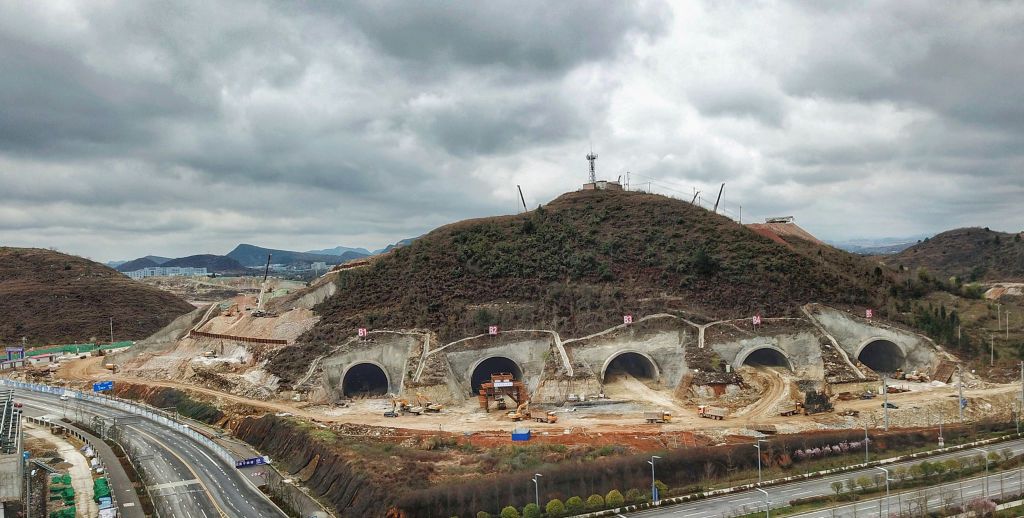
In recent years, there has been a growing trend of repurposing unconventional spaces such as nuclear bunkers, mines, and mountains as data centers. These once abandoned or unused spaces are being retrofitted to house servers, cooling systems, and other necessary infrastructure to support the ever-increasing demand for data storage and processing.
One of the benefits of using these types of spaces for data centers is their natural security features. Nuclear bunkers, for example, were designed to withstand nuclear attacks and provide a level of security that is unmatched by conventional buildings. This makes them ideal for housing sensitive data and ensuring its protection.
Similarly, mines and mountains offer natural insulation, which can help reduce the energy required to cool the servers and maintain optimal operating temperatures. This can result in significant cost savings for data center operators.
Furthermore, repurposing these spaces as data centers allows for the reuse of existing infrastructure, minimizing the environmental impact of building new facilities. It also provides a way to breathe new life into these once abandoned spaces and contribute to their preservation.
Despite the challenges of retrofitting these unconventional spaces, the trend shows no signs of slowing down as the demand for data storage continues to grow. As technology advances and data becomes increasingly critical to businesses and individuals alike, the need for innovative solutions for housing and managing data will only increase.
Overall, the repurposing of nuclear bunkers, mines, and mountains as data centers represents a creative and sustainable approach to meeting the growing demand for data storage and processing. It showcases the ingenuity of engineers and designers in finding unique solutions to complex problems and highlights the importance of adapting existing structures to meet modern needs.