Microplastics Could Be Weakening Your Bones, Research Suggests
Microplastics Could Be Weakening Your Bones, Research Suggests
Recent studies have shown that microplastics, tiny pieces of plastic less than 5mm in size, may be…
Microplastics Could Be Weakening Your Bones, Research Suggests
Recent studies have shown that microplastics, tiny pieces of plastic less than 5mm in size, may be affecting human health in more ways than previously thought. One concerning finding is that exposure to microplastics could be weakening our bones.
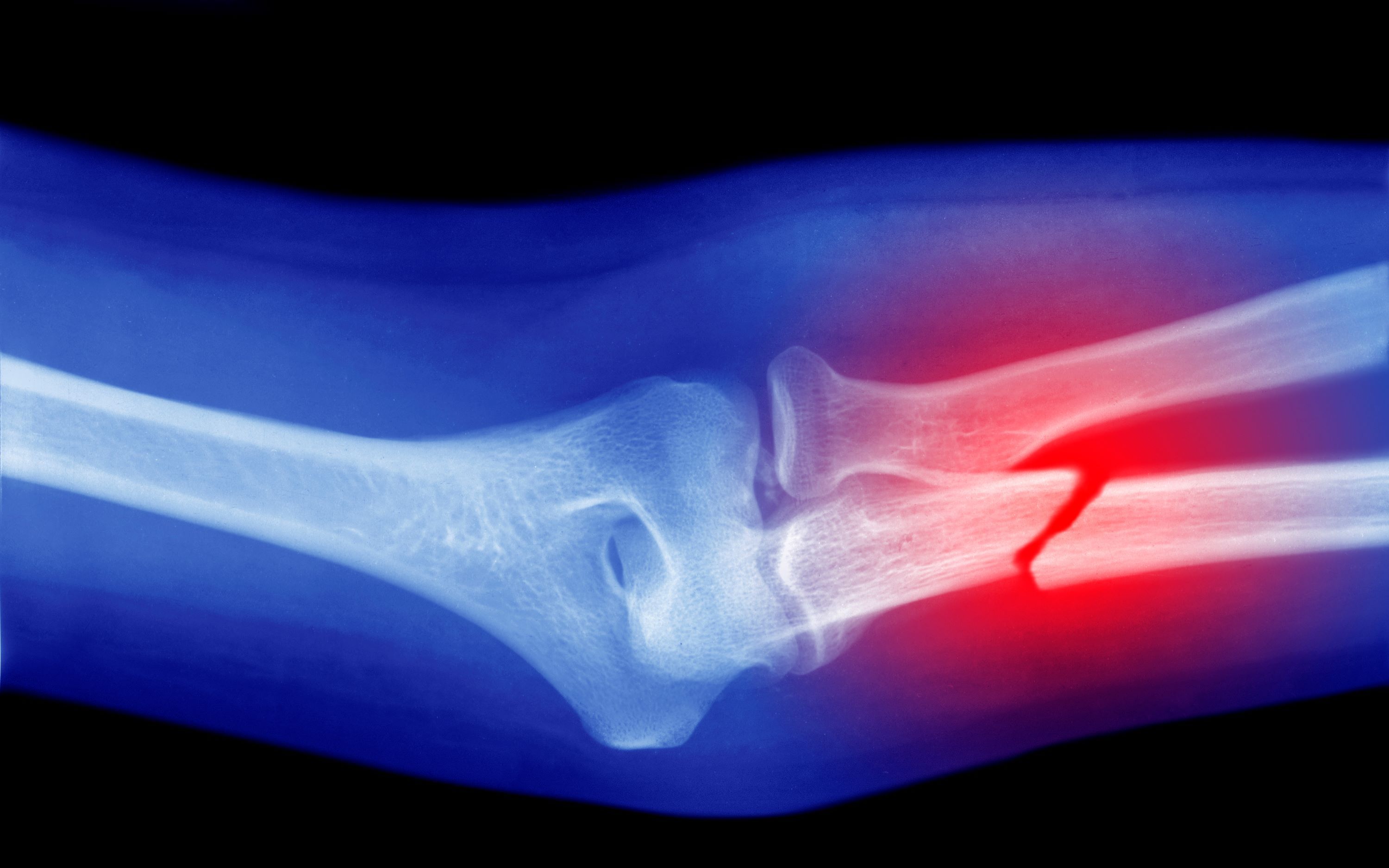
Research conducted at several universities has linked exposure to microplastics with reduced bone density and increased risk of fractures. It is believed that these minuscule plastic particles may disrupt the balance of minerals in our bones, leading to weakened skeletal structure.
The alarming part is that microplastics are omnipresent in our environment, from the air we breathe to the water we drink. They have been found in food, beverages, and even in the dust in our homes. This widespread exposure raises concerns about the long-term implications for our bone health.
While more research is needed to fully understand the extent of the impact of microplastics on human health, these initial findings serve as a stark warning. It is crucial for individuals to limit their exposure to plastic products, especially single-use plastics that easily degrade into microplastics.
Addressing the issue of plastic pollution at its source is also essential in mitigating the risks associated with microplastics. Governments, industries, and individuals all have a role to play in reducing plastic waste and protecting the health of our communities.
As researchers continue to investigate the effects of microplastics on human health, it is becoming increasingly clear that these tiny plastic particles pose a significant threat to our well-being. Protecting our bones and overall health requires a concerted effort to reduce plastic pollution and limit our exposure to harmful microplastics.